Central Scotland Wildlife Group.
Supported by the Eco Development Fund

Supported by the Eco Development Fund
Bats hold the key to measuring health of a natural area, and are vitally important. They are a European protected species and are in global decline as a taxonomic group. The impact of industrialisation and climate change illustrates a perilous future, not just for bats but for the habitat they hold a mirror up to.
Natural landscapes are being decimated by threats from climate change, habitat destruction and fragmentation, the radiating effects from global insect declines caused by intensification of agriculture, forestry and human influence from a range of sources.
West Lothian has historically faced some of the most intensive industrialisation, urbanisation and degradation of its natural habitats seen anywhere in Scotland, with many green spaces lost to urban development and remnant land degraded by expansive mining projects and agricultural intensification. The result is a fragmented and low-value habitat for bats at a landscape scale.
The increase in severe storm events has caused the loss of many remnant veteran trees, removing what are some of the last strongholds for roosting and breeding bats, increased herbivore pressure further limiting and slowing the likelihood of natural restoration of roost features and a degradation of foraging habitats with loss of soil structure as run-off intensifies. This washes away nutrients, increases sediment loads and reduced overall biodiversity and resilience within the landscape.
Bats face a critical point in their conservation journey, and urgent action is required to halt their decline and help stabilise populations.
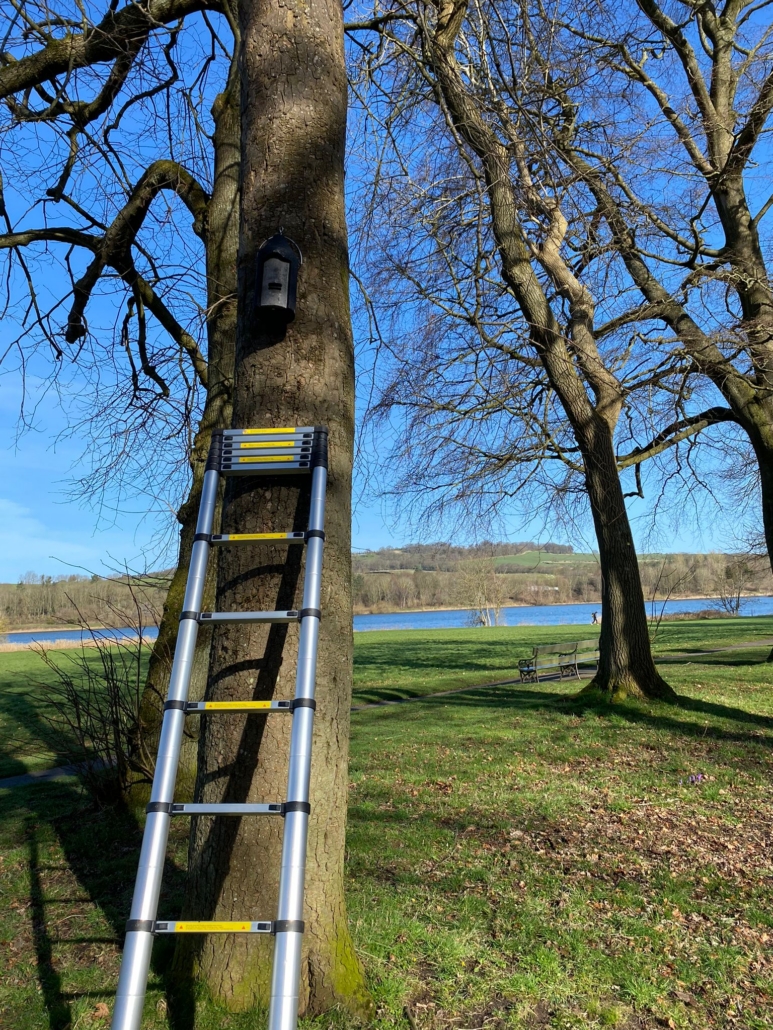
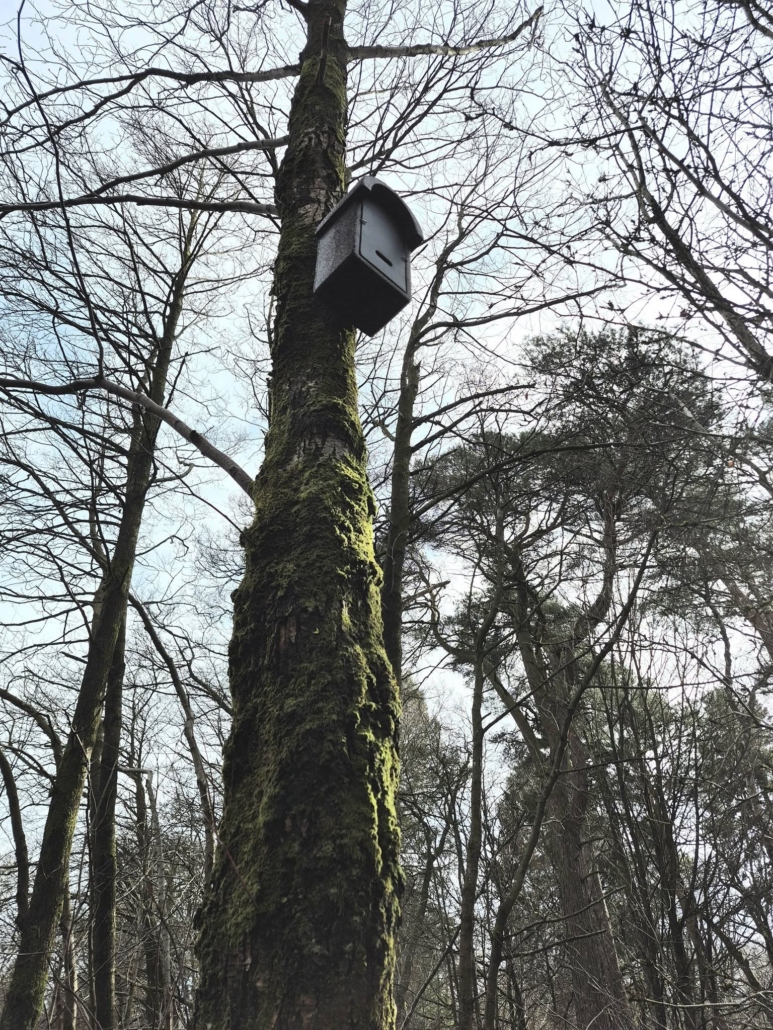
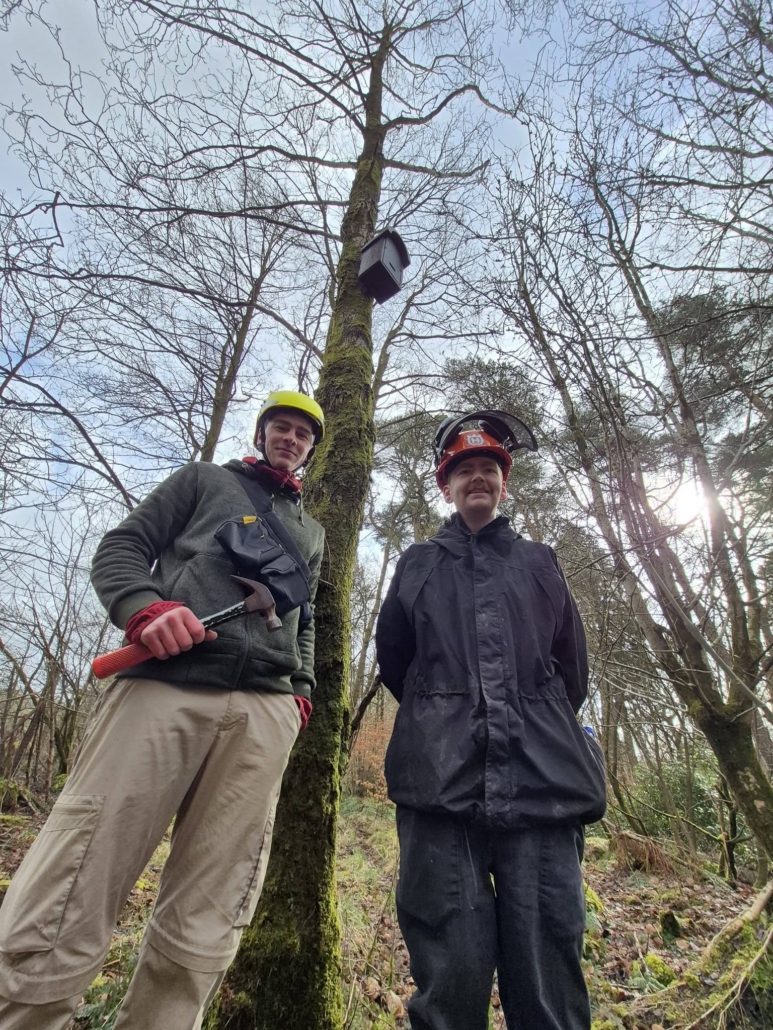
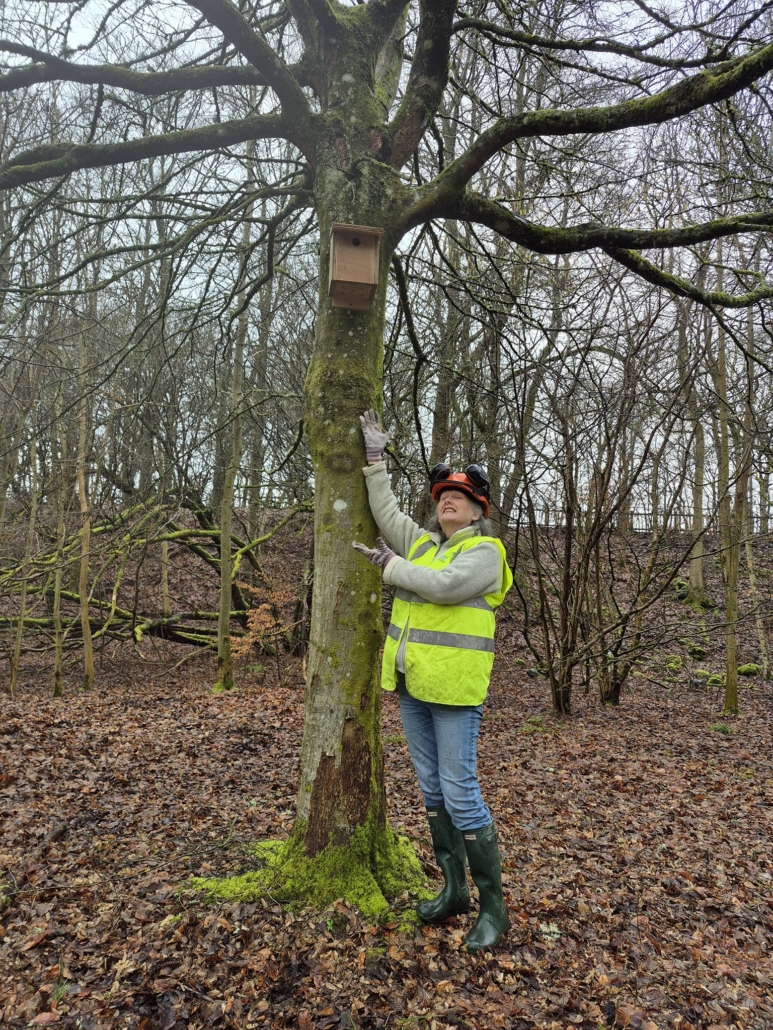
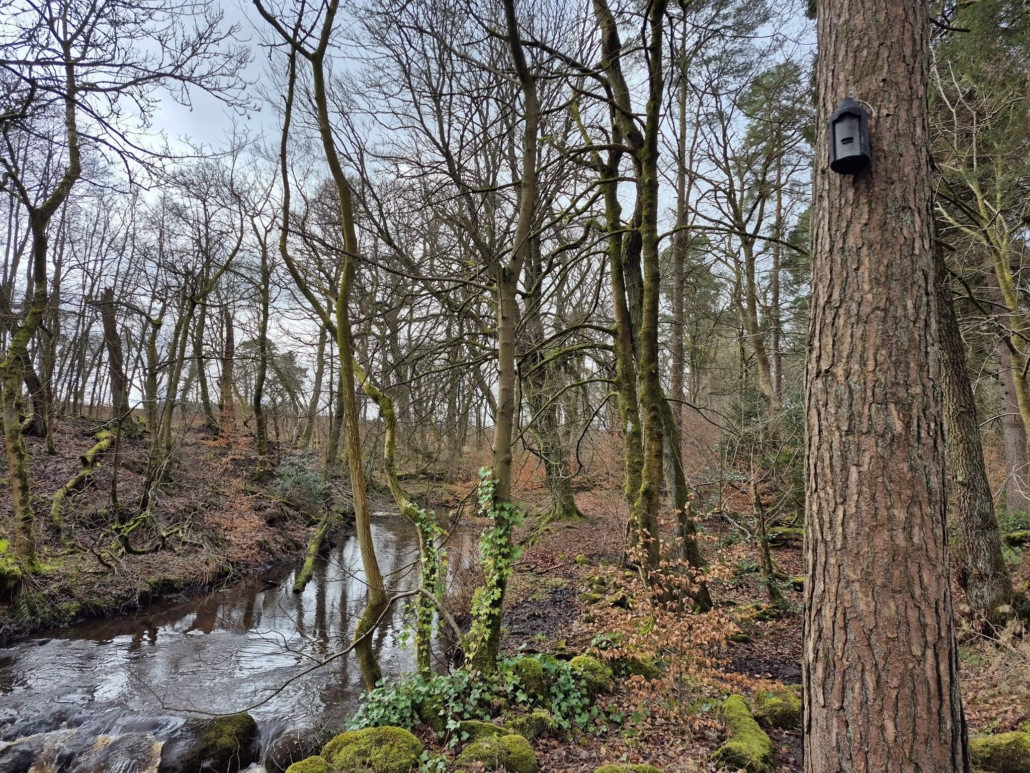
Central Scotland Wildlife Group has embarked on a programme to erect a network of over 60 bat boxes across West Lothian to provide safe, secure roosting spaces for our native bat species.
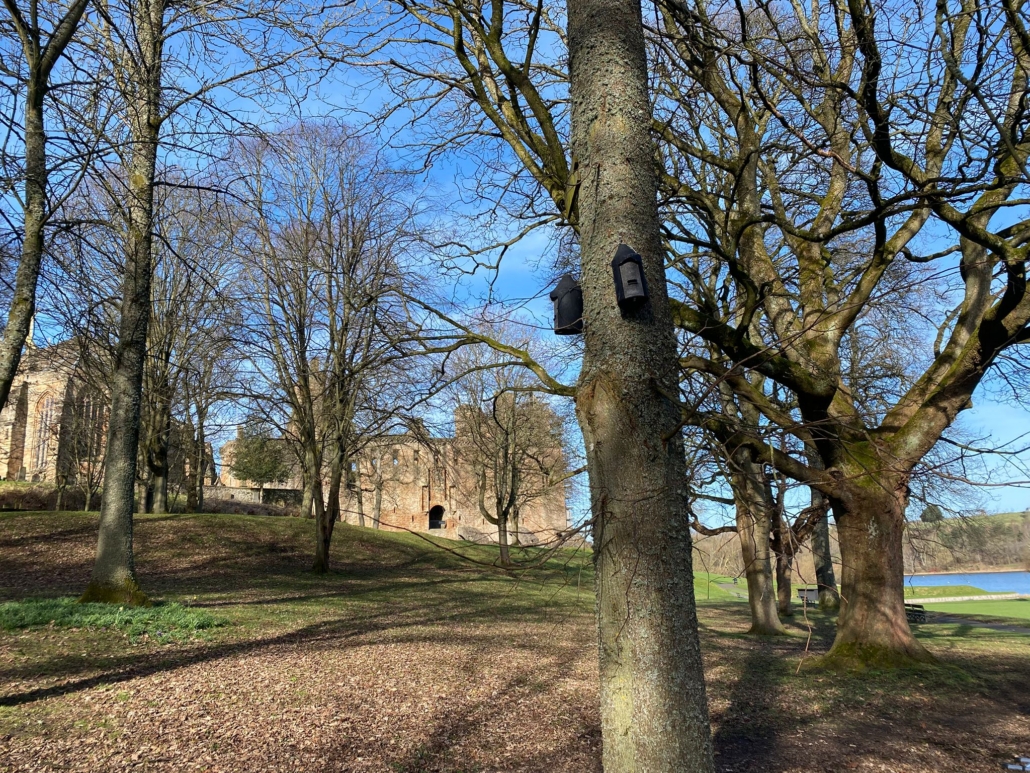
The project began in 2025 with the erection of 20 bat boxes in the Fauldhouse area of West Lothian. In 2026, following a funding application to WLCAN’s Eco Development Fund, CSWG purchased a further 42 boxes. The project area was expanded to further locations at Polkemmet Country Park and Linlithgow Loch. This will create a landscape-scale network of bat box locations.
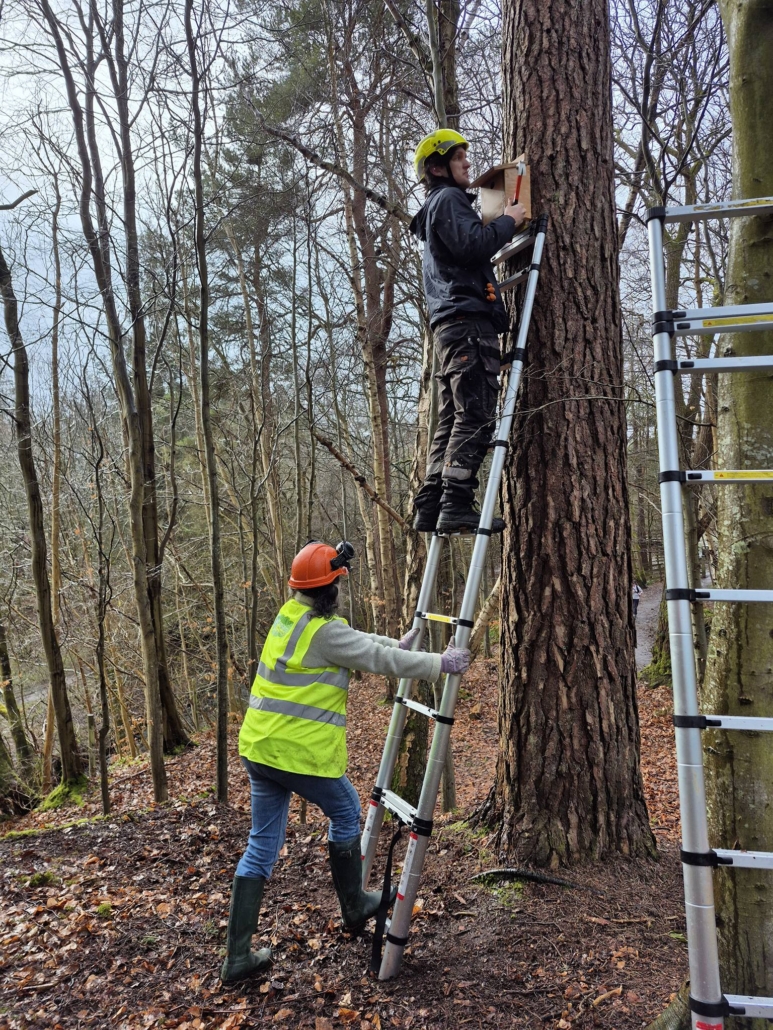
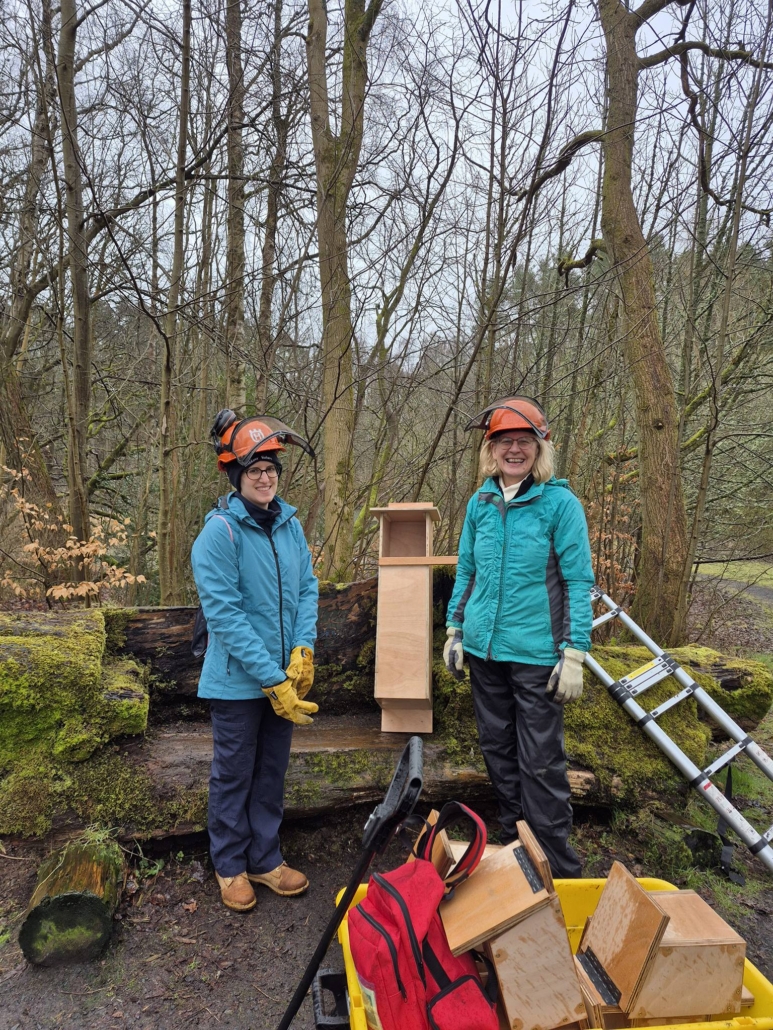
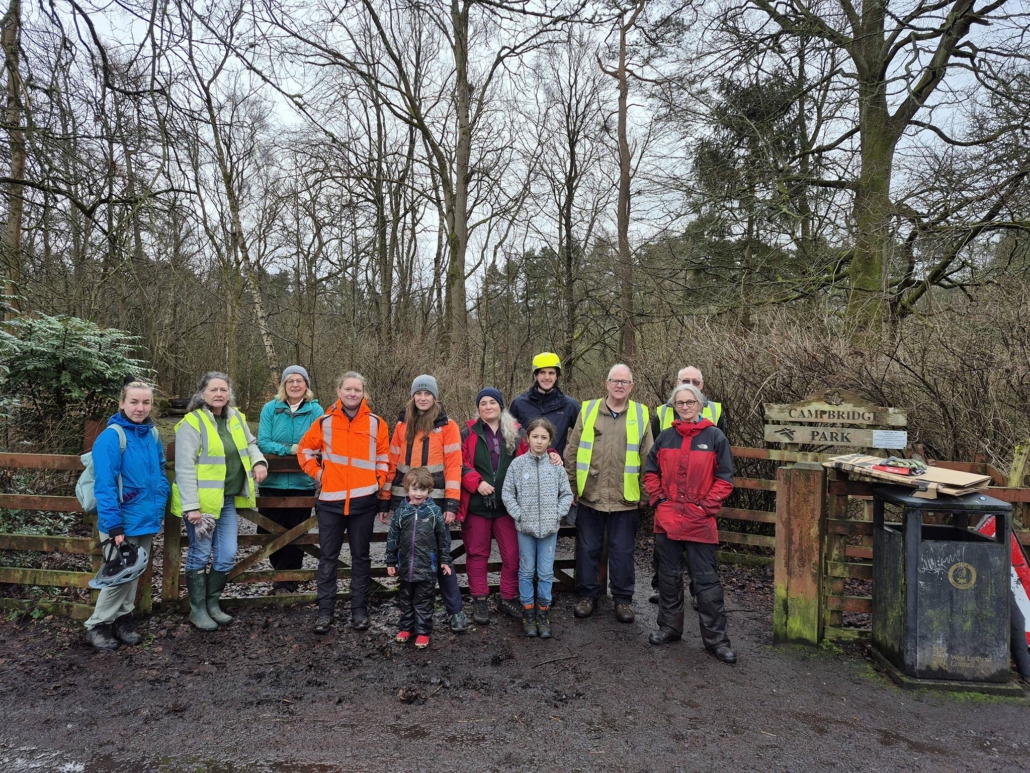
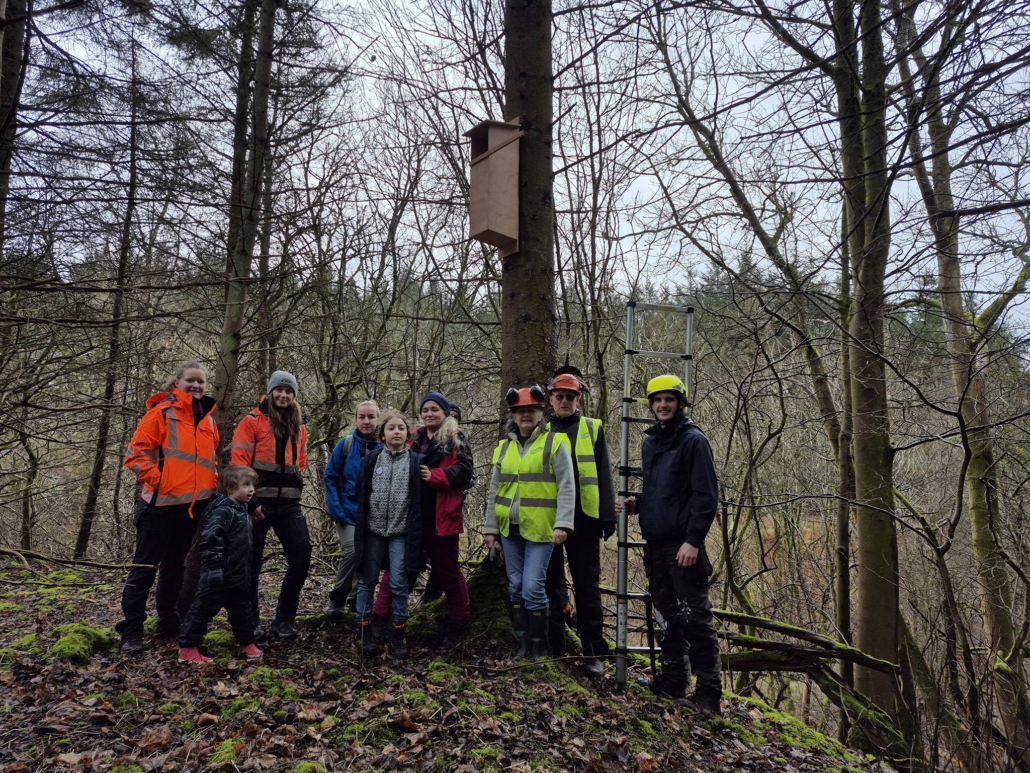
David from CSWG reflected on the success of the installations: “A team of eight volunteers worked alongside staff from West Lothian Council Biodiversity Team and Historic Environment Scotland rangers to erect the boxes.
“A great team effort and some much needed spring sunshine saw the team complete the installation of the boxes in just two days early in 2026.
“We will return to monitor the boxes this autumn and record the numbers of bats in each box and species present at each site, this information will give baseline data for each site and contribute towards our understanding of species distribution and abundance locally.”
“Without immediate intervention and support however it is highly likely that these species will continue to decline and potentially become lost from the landscape entirely.”
The benefits of the project will stretch far into the future: it gives the community the chance to engage with the natural environment and see first-hand the benefits of local biodiversity improvement projects. It will also invite students from SRUC and young environmentalists embarking on their careers the chance to monitor the boxes, under the supervision of CSWG’s licensed members.
This will give the next generation of conservationists the opportunity to gain first-hand practical experience of bat survey methods, handling and identification, which in turn will allow people to progress towards acquiring their own bat survey licences and create a wider pool of conservation professionals and enthusiasts capable of carrying on the practical work of conserving these species.
Summer will provide a chance for the boxes to colonise as roosts, for bats to breed and expand in areas otherwise depleted of natural roost features. This is a key limiting factor in the conservation of these species.
In the medium term it will also buy time to allow natural regeneration to take place, planting schemes to be undertaken and habitat restoration projects to proceed all of which will hopefully recreate the mosaic of natural habitats and features required to support these species.



 West Lothian College wellbeing garden