Re-fab linlithgow.
Supported by the Eco Development Fund

Supported by the Eco Development Fund
Synthetic fabrics are non-biodegradable, so disposing of them not only increases landfill but means they don’t break down. Repairing textiles prolongs their use, can turn them into new items and lower their carbon footprint. But stretchy and synthetic fabric is hard to repair effectively, and that’s where an overlocker comes in.
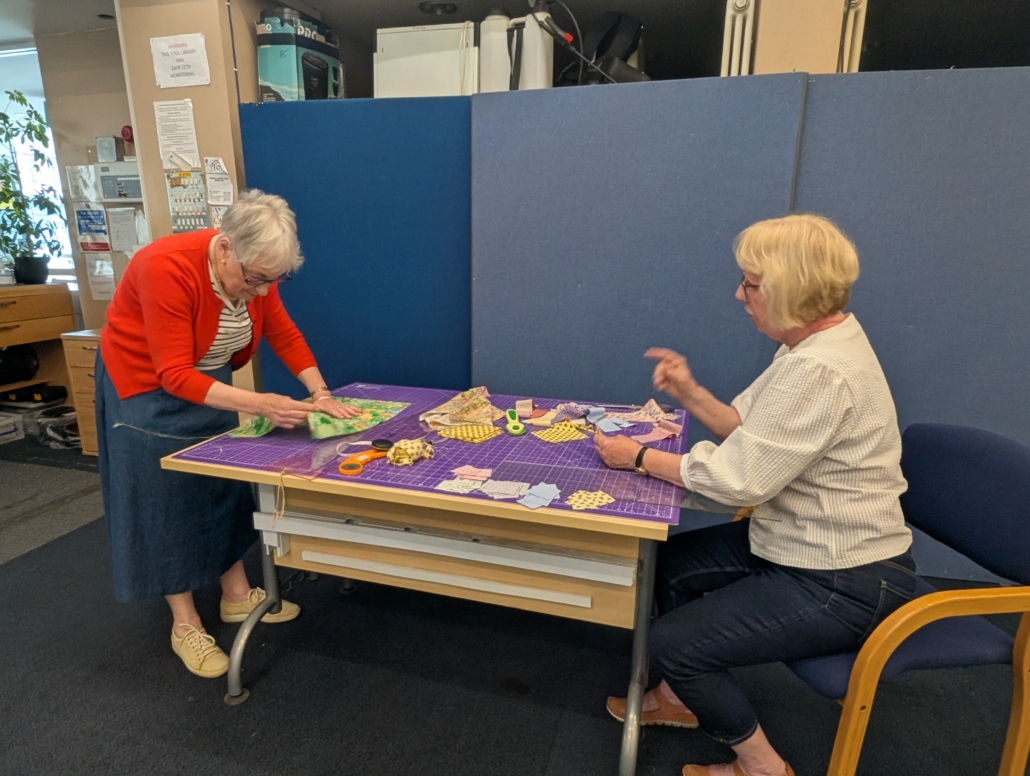
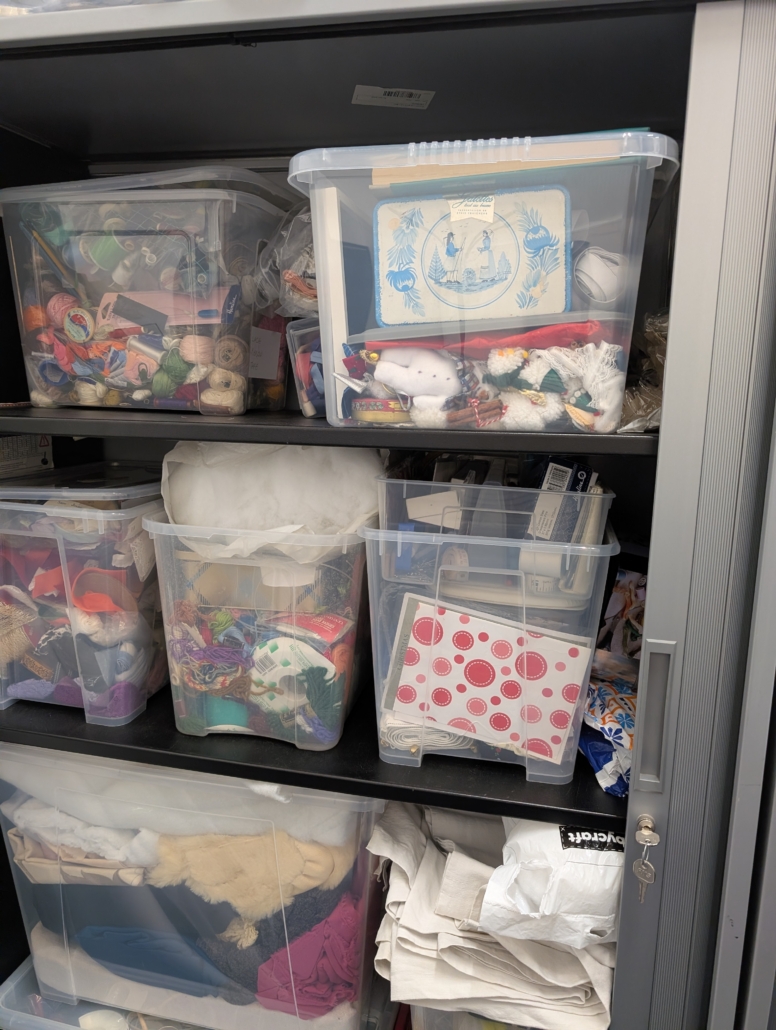
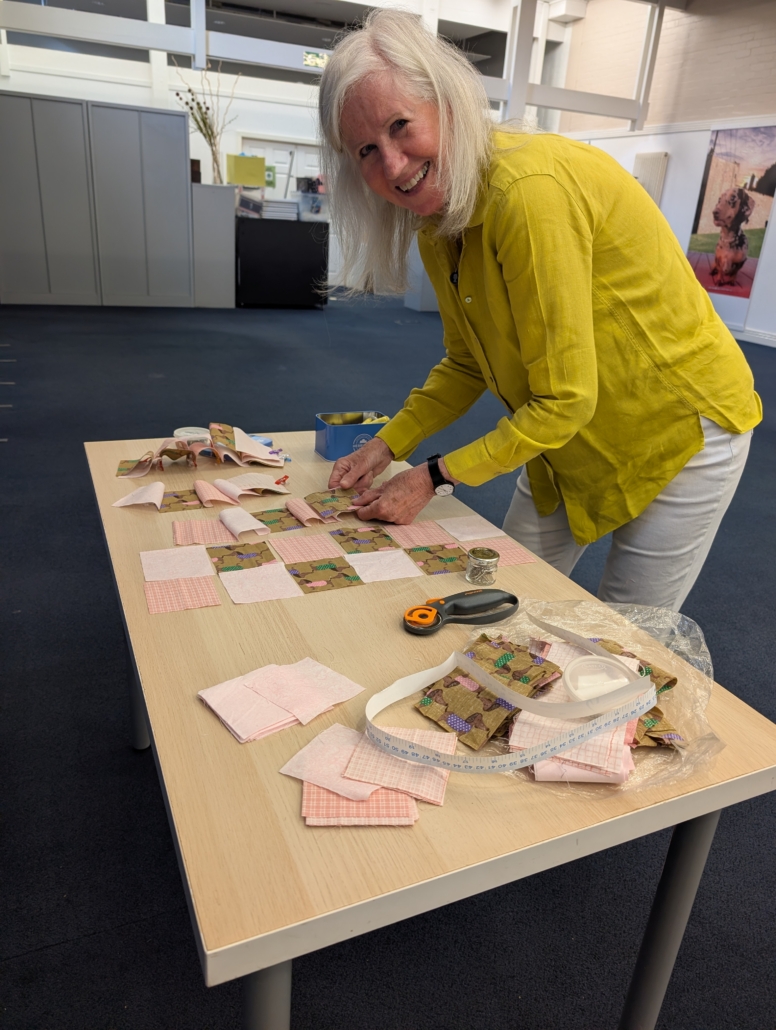
These machines are increasingly sought by sewing workshops like Re-Fab, which runs out of Linlithgow Community Development Trust. The group meets every month to work on a variety of projects using their huge ‘stash’ of donated materials of all types.
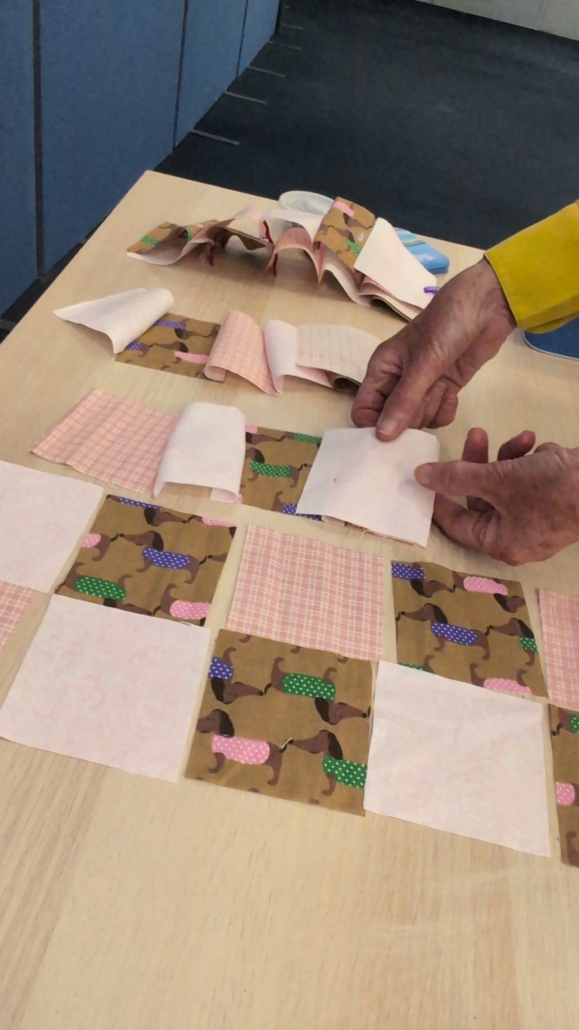
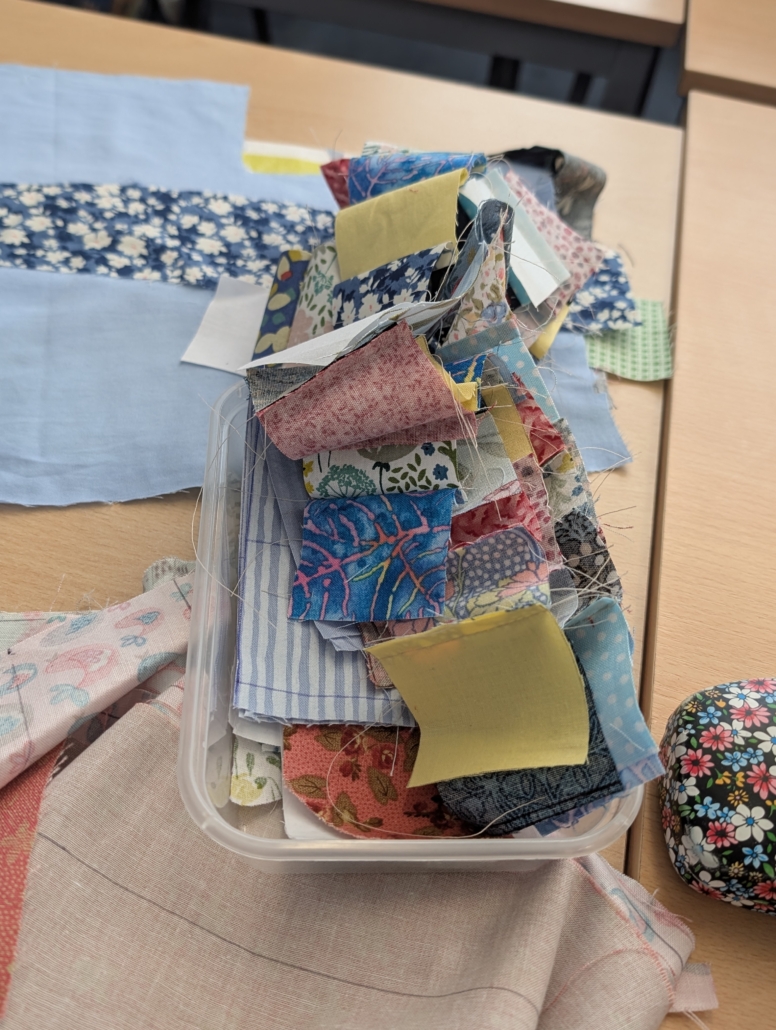
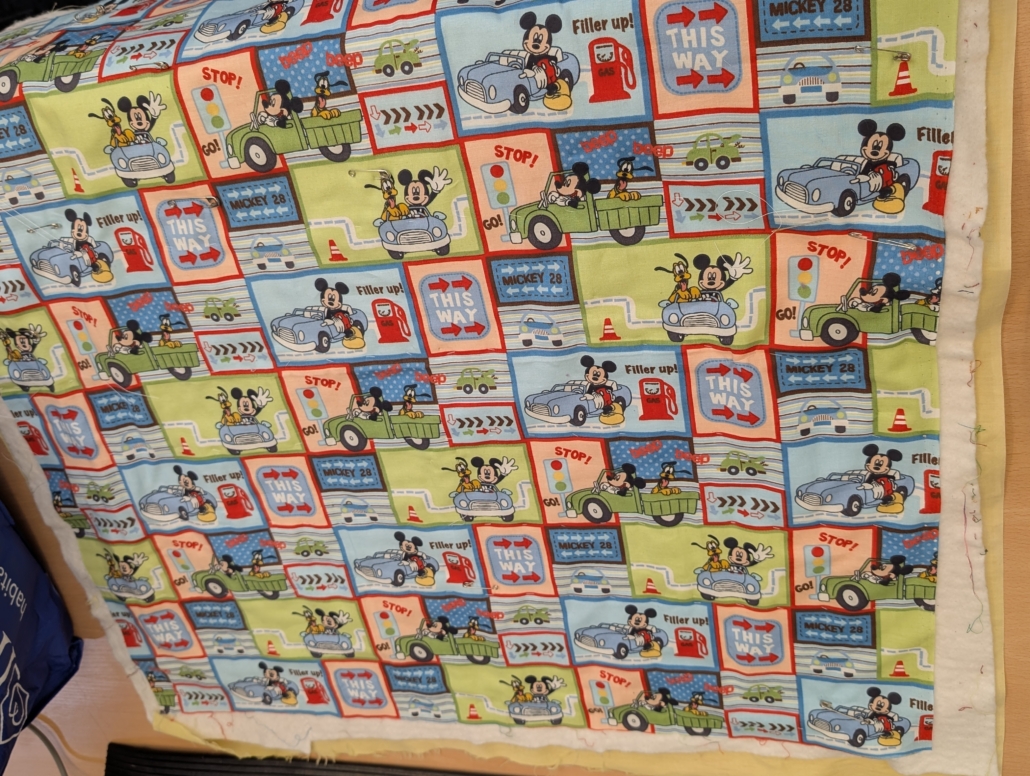
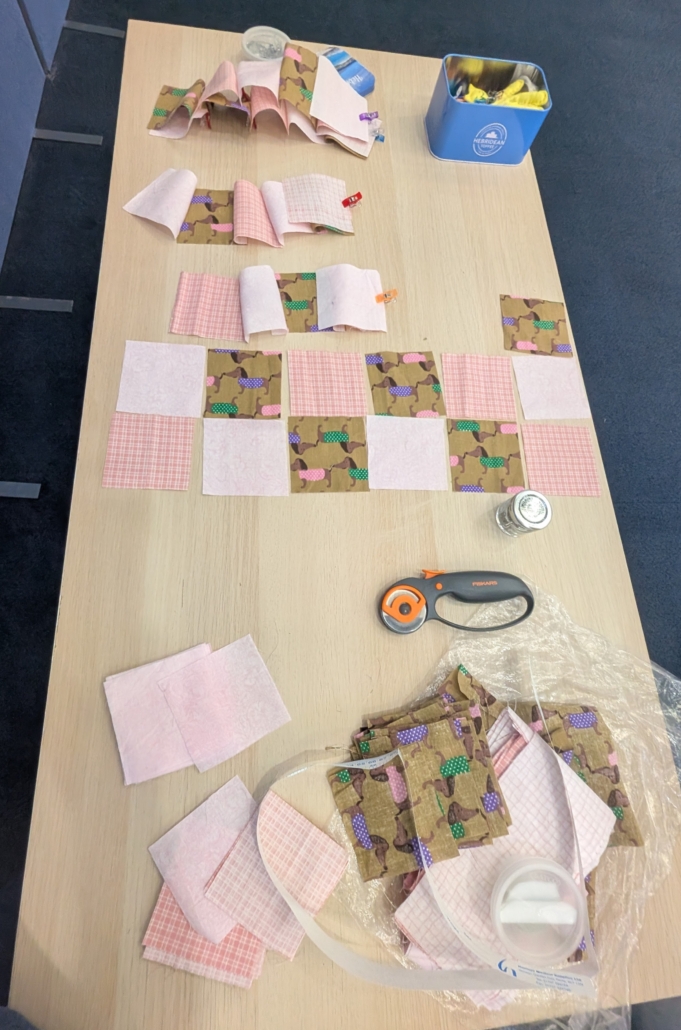
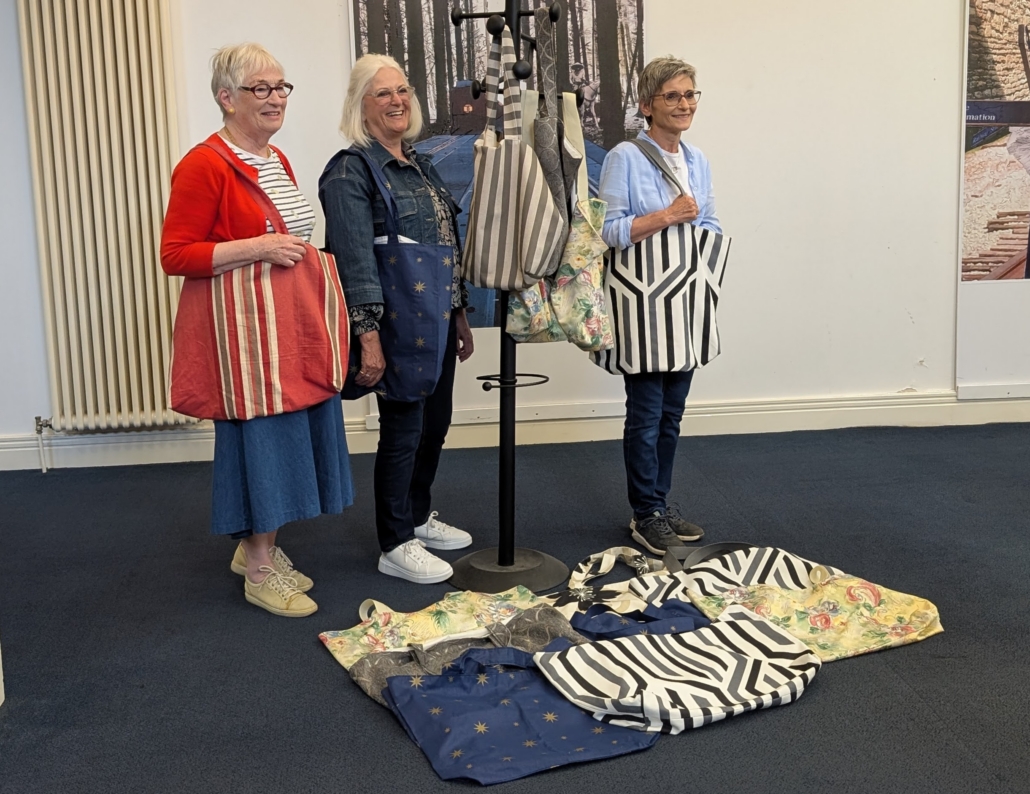
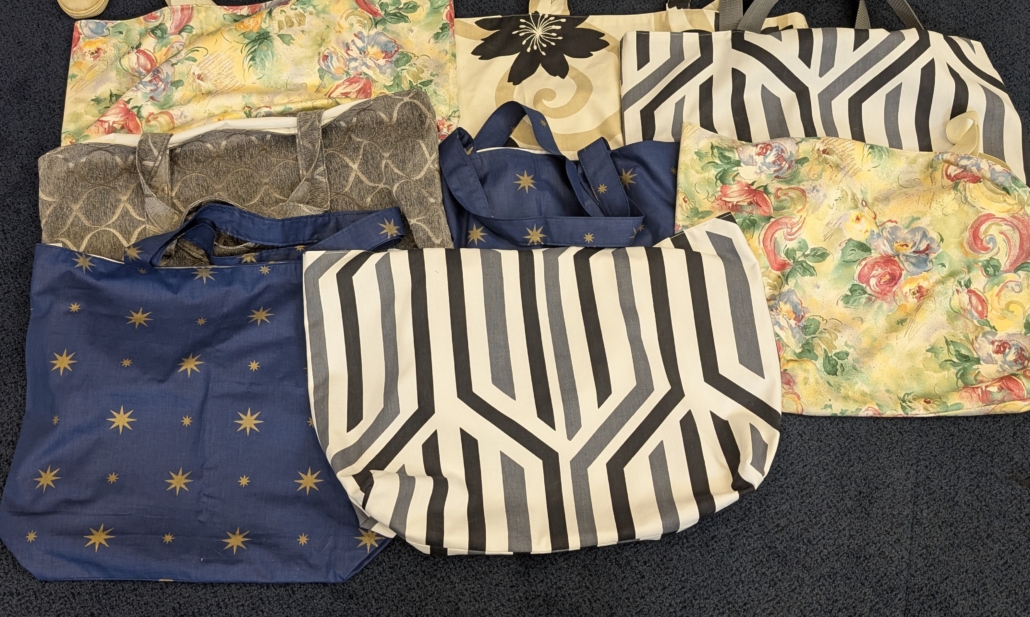
That could be ‘Linus blankets’ for children in hospital, or bags for use at a hospice, or long lines of bunting for local celebrations and events.
The Re-Fab Group offers friendly and sociable sessions where those attending give new life to preloved textiles. Members can sew, knit, crochet and be creative with any kind of textiles. Volunteers lead the project supported by one part-time staff member. The group not only works to reduce waste, but also supports local people to address the rising cost of living.
Members can repurpose textiles with scraps to make into something new or give new life to an old garment through repair. While it’s not designed as a training class, the participants do help each other and share skills and ideas of how to bring items back to life or create something entirely new.
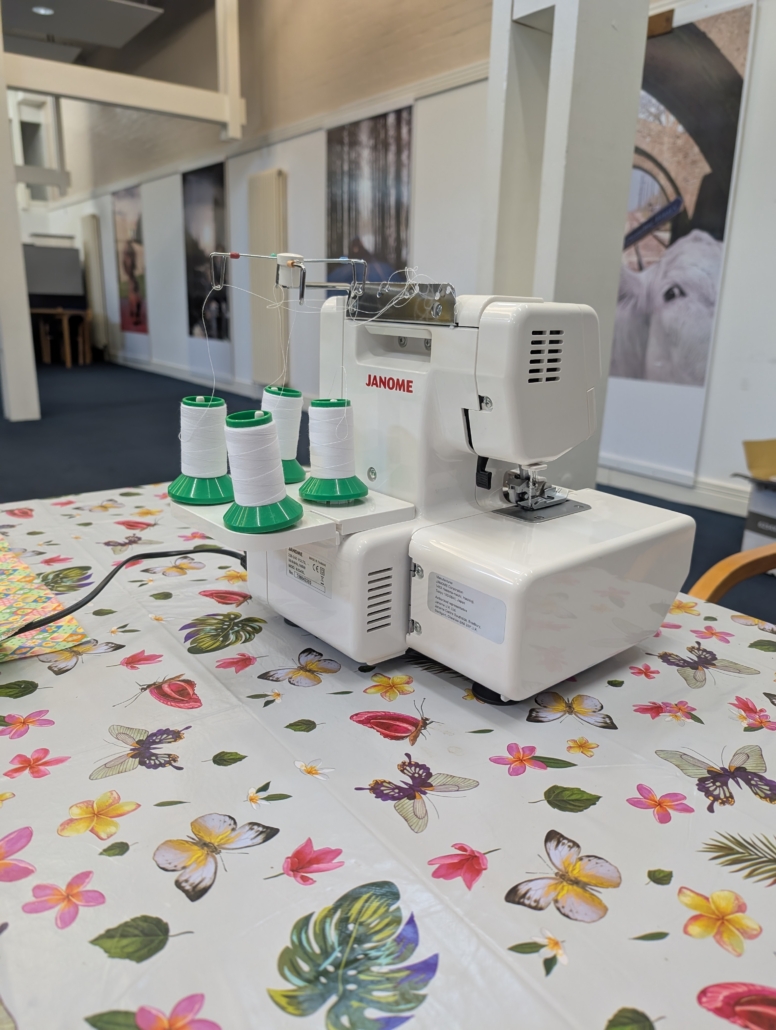
The group identified that an overlocker machine (Janome MyLock 454D) would help extend the life of textiles further. It was sourced locally and purchased using the Eco Development Fund.
“This makes sewing of manufactured fibres in particular much easier and therefore enables the group to upcycle and remake items using donated and reclaimed textiles.”
This machine binds and finishes the edges of fabric, giving a strong and long-lasting result and helping to reduce the fraying caused by wear and tear and washing.The machine is efficient, meaning the users get through more steps in garment making and repair more quickly. The overlocker adds great value to the range of repairs possible, working in tandem with the group’s existing sewing machines.
Sessions are currently monthly (on the last Saturday) but Re-Fab would like to extend these to weekdays or evenings and have pop-up repair sessions.
The group has experienced an increase in numbers of the previous quarter and having the overlocker available means that a wider number of attendees can be taught how to use it before upcycling textiles and reducing waste.
An increase in the frequency of sessions will make sure they are accessible to more of the community, enabling more people to adopt zero-waste textile behaviours. Re-Fab is enjoying seeing the overlocker bring the great benefits in upcycling synthetic textiles into new usable items.



 Boarwood