Boghall Community Growing and Cooking Project.
Supported by the Eco Development Fund

Supported by the Eco Development Fund
Boghall Community Growing and Cooking Project (BCGC) has been up and running for two years and during its first full growing season, weather extremes highlighted common problems. The heat was bringing the threat of a hosepipe ban but, when it did rain, it flooded badly.
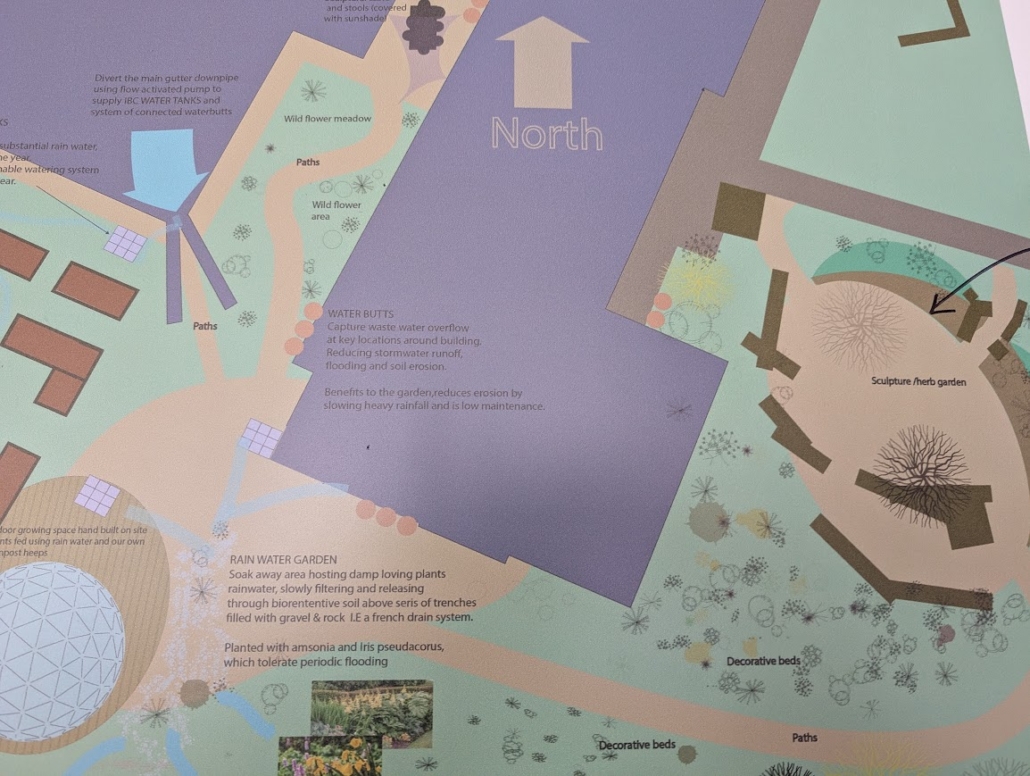
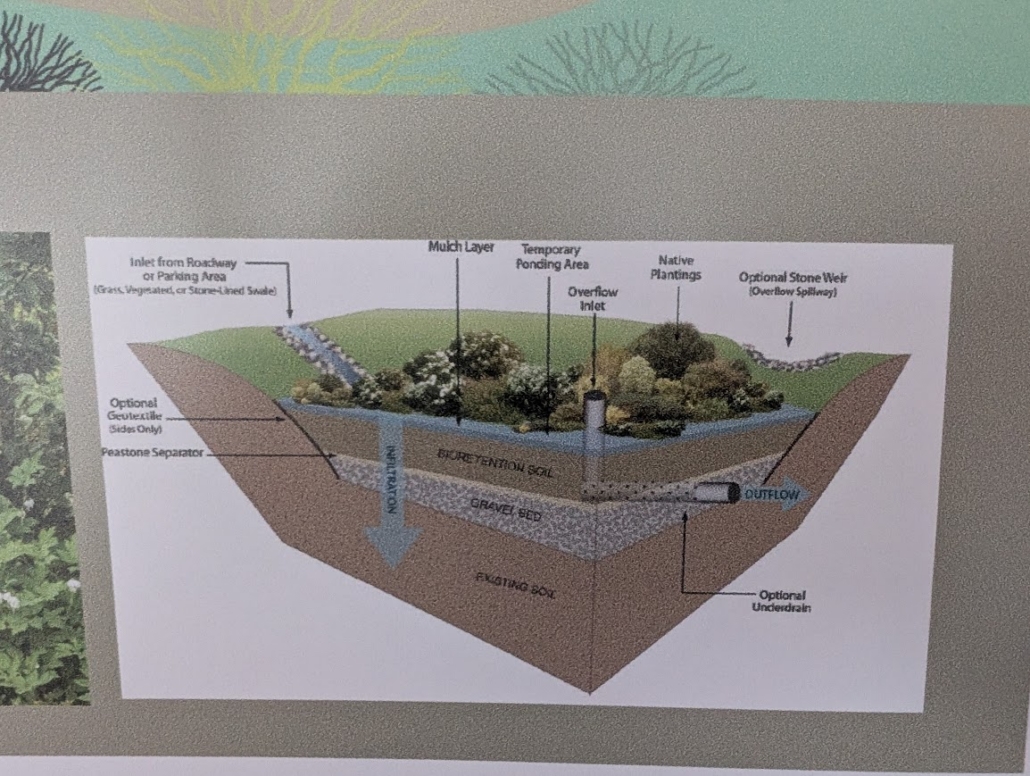
The project team decided to look for a practical way to work with the changing weather. They researched two complementary approaches. The first is a percolation area designed to capture and absorb surface water, forming a natural wet garden that slows run-off and supports biodiversity. The second is a rainwater capture system connected to downpipes, allowing them to store and reuse water effectively. Any overflow from this system is directed into the percolation area, ensuring minimal waste and maximum efficiency.
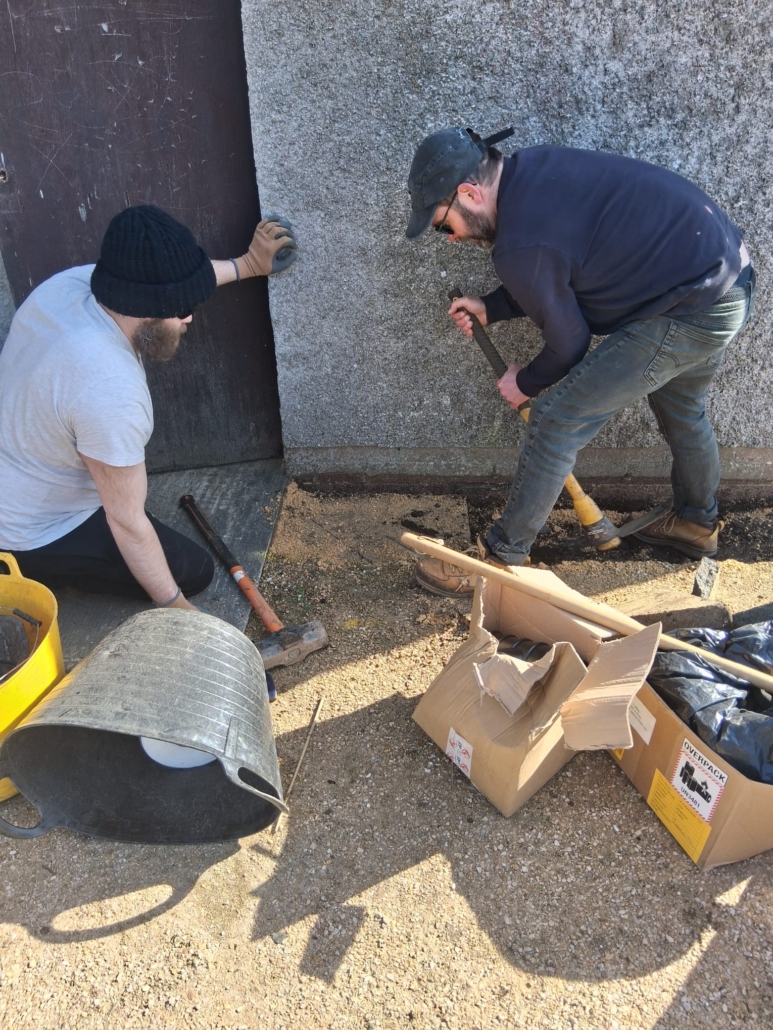
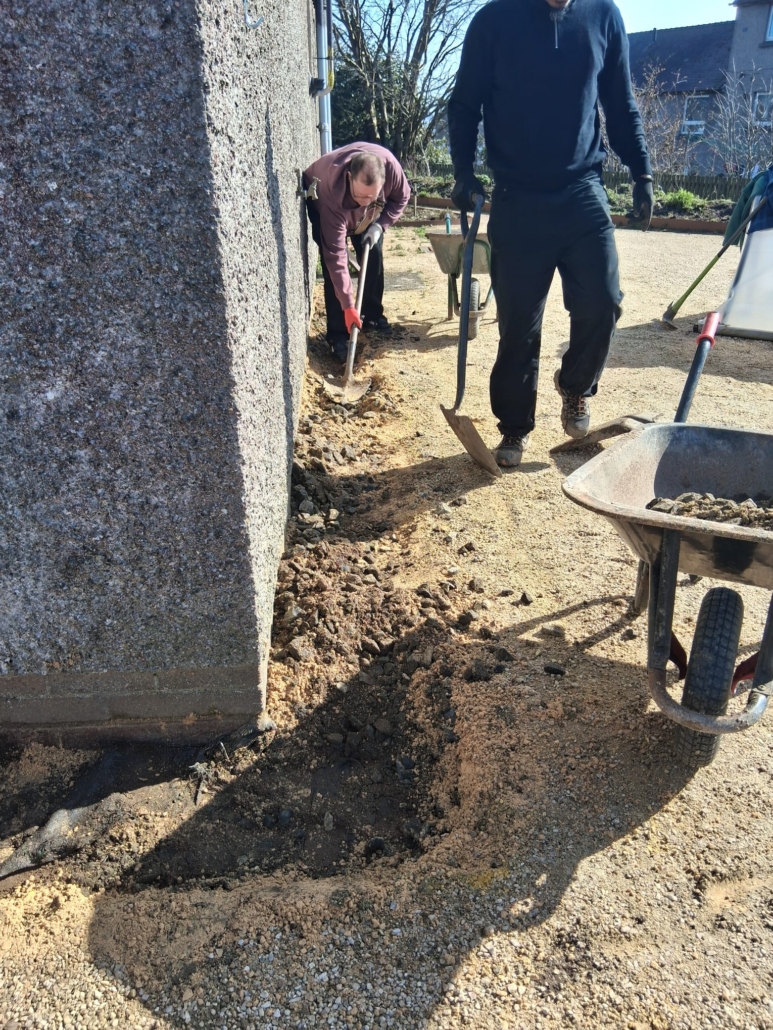
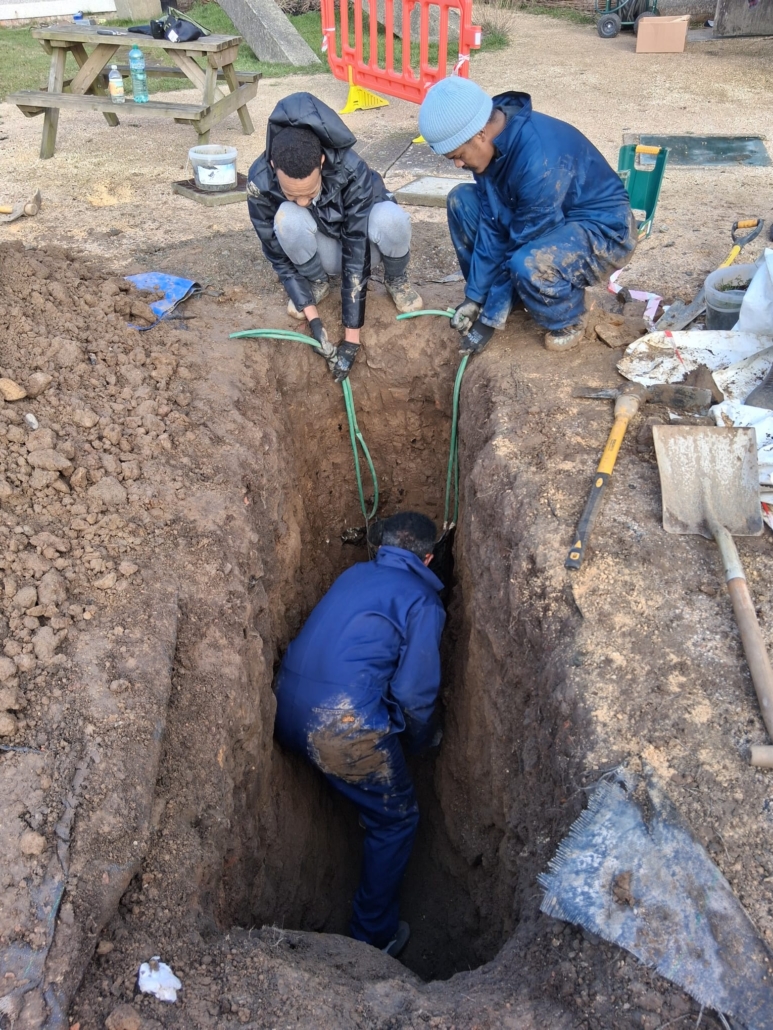
Based at a hall next to Boghall Parish Church, they broke ground in February 2026, laying French drains at the foot of gutter downpipes and trenches that would channel surface water. Branches and gravel form a bed. This will suck the water up and feed it to the roots of plants. WLCAN funded the permaculture system of piping and water harvesting tanks, pumps and mulch.
The team were keen to avoid plastic if possible and found a supplier of recycled whisky barrels that could be used as butts. These are prepared with percarbonate soda to clean the sides, then citric acid which neutralises it and makes it safe to use. The barrels are rolled to make sure it gets in all the crevices. They connect to the downpipe to collect water from the hall’s gutters.
Benefits of rain garden and water harvesting:
- Reduces waste water overflow
- Reduces surface water
- Reduces soil erosion and run-off
- Eases pressure on drainage system
- Help prevent localised flooding
- Wet garden attracts wildlife and increases biodiversity
- Reuses water
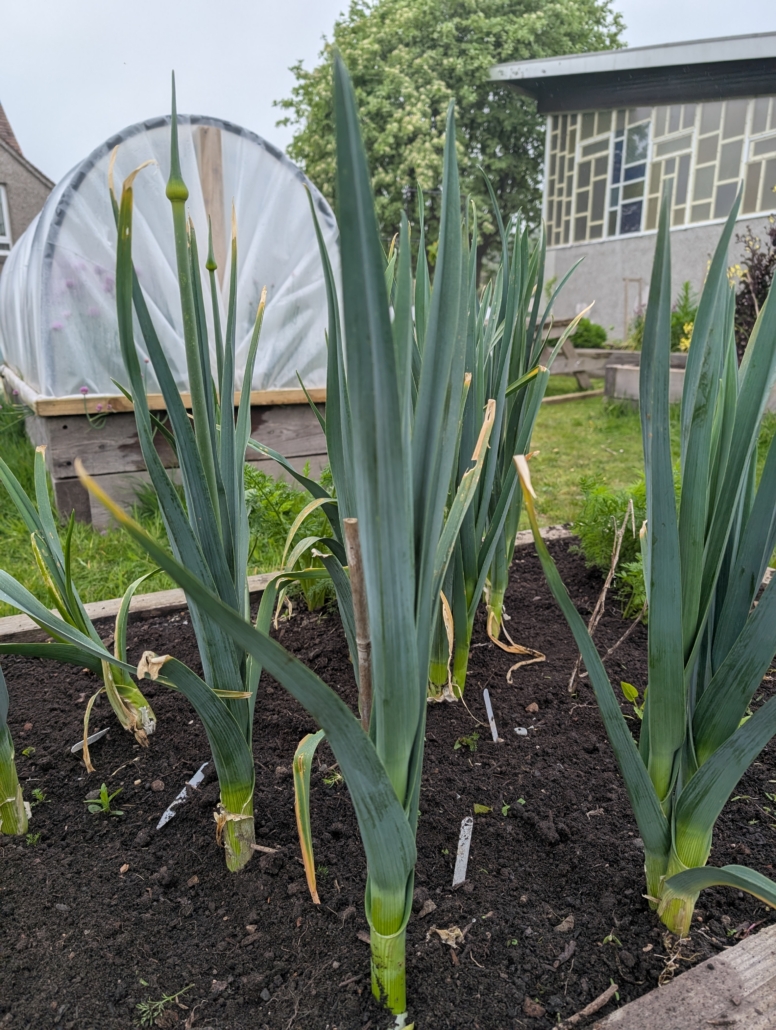
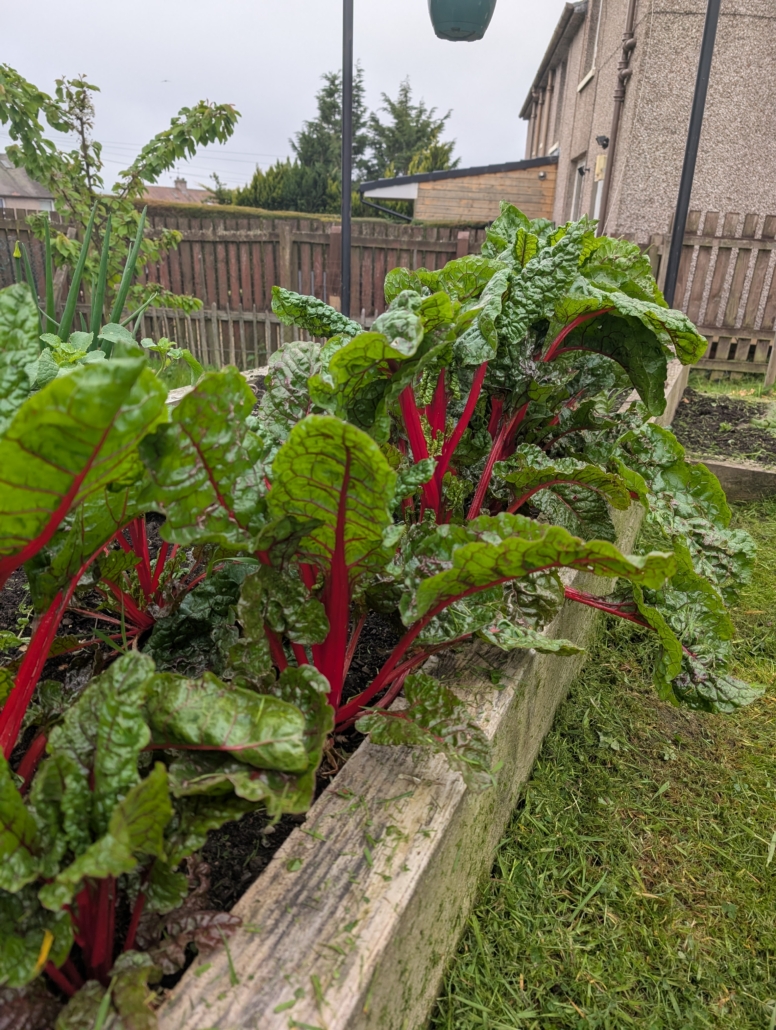
The garden has three or four regular volunteers and about half a dozen asylum seekers who work on gardening and cooking using produce from the vegetable beds.
Companion planting is used to help crops resist pests and what they grow is geared towards what people like to cook. A community veg box scheme is being planned, along with seed swaps. Neighbours overlooking the garden have donated many plants, and the garden gives away its own spares.
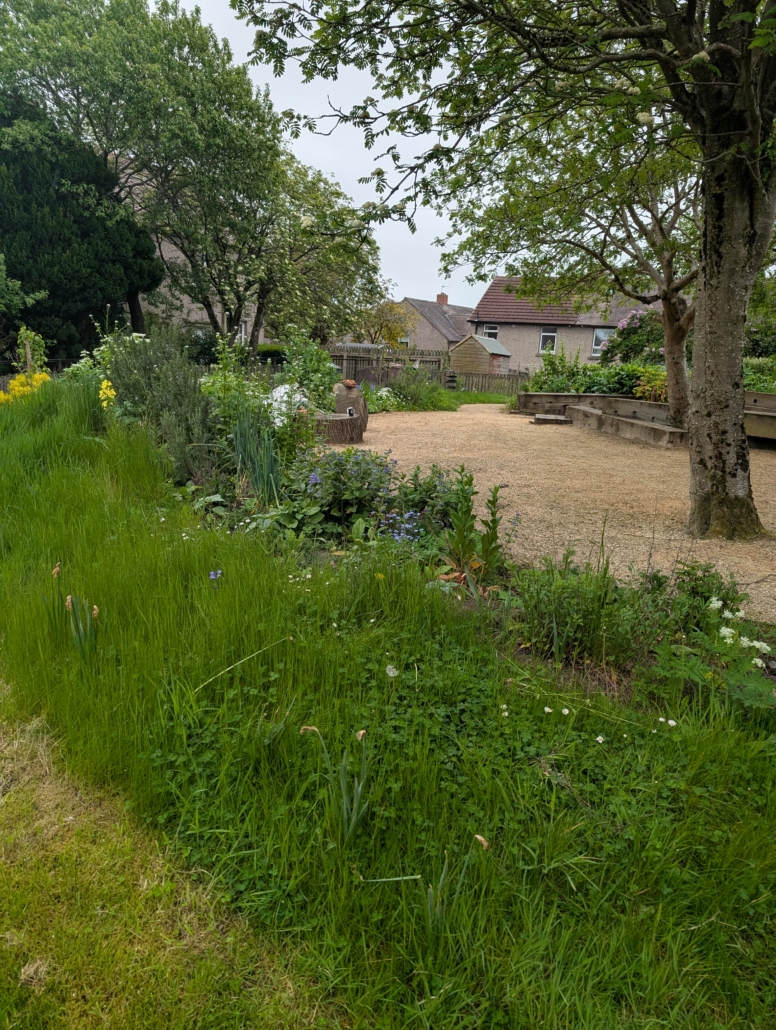
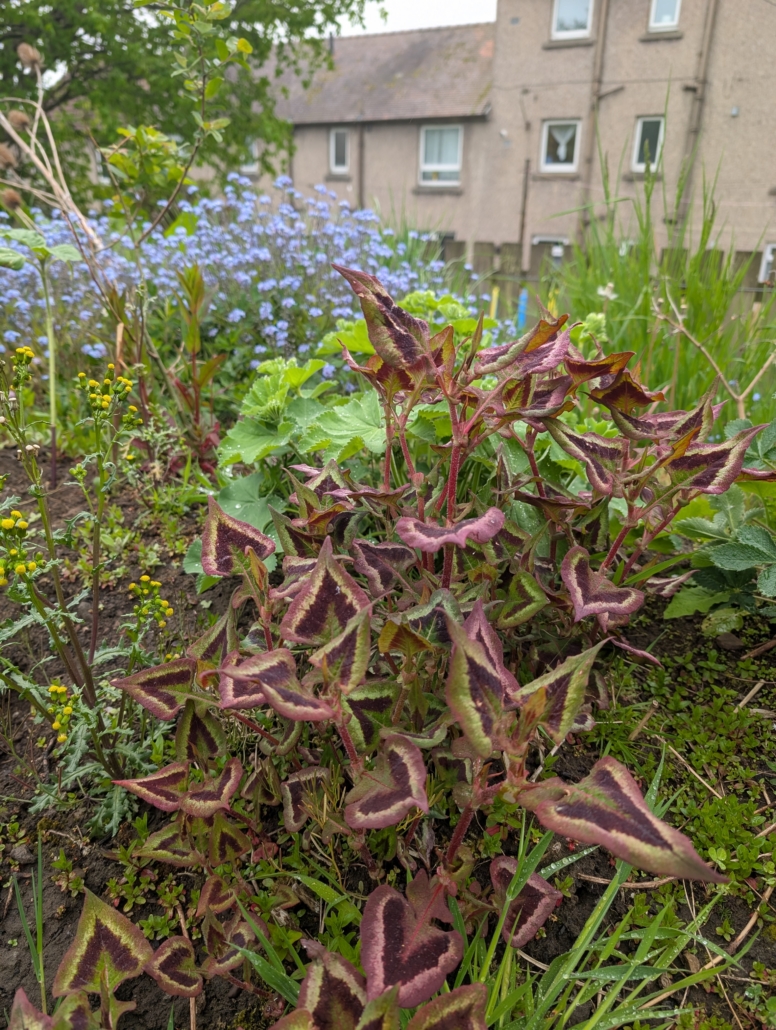
BCGC is aiming for a zero-waste pattern through wormeries and is already self-sufficient in veg for workshops. Project leader Patrick highlights that brown bin collection is no longer needed for garden and recycling waste. Part of the garden includes a wild area where orchids were found last year, and there are pollinator friendly plants and fruit trees.
The projects based at the site include art and other activities that are strengthening local partnerships. A polytunnel at Bathgate Academy is used for plants by the project’s gardeners and also the town’s CDT. Boghall’s garden team also built some raised beds for the school. There are plans for educational visits from local pupils to increase knowledge sharing. These activities aim to build early understanding of environmental responsibility and sustainable practices.
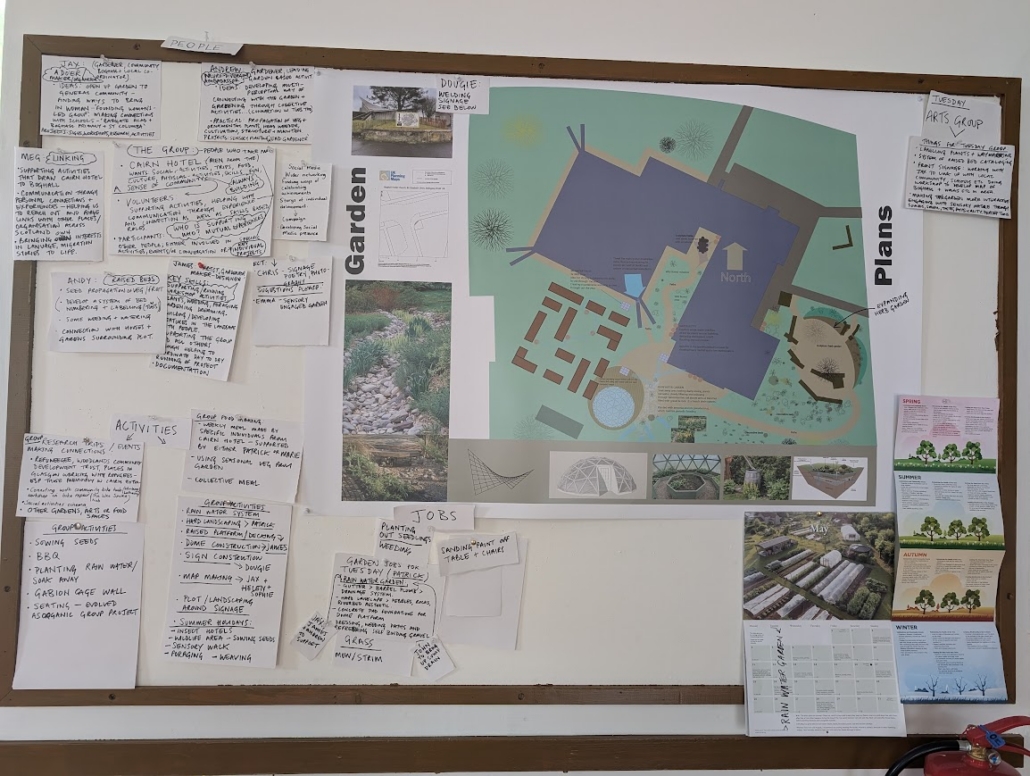
The team of staff and volunteers contributed to the planning of the project, as seen in a map bringing together the ideas. This helped to build understanding of water conservation, sustainability, climate change and practical action.




 Re-Fab Linlithgow